
How MAP Preservation Cuts Fruit Spoilage for Long-Sea EU Imports
For EU importers sourcing fresh fruits and vegetables from China, cross-ocean transit is the biggest hidden risk.
Sea freight from Chinese ports to EU border control posts (BCPs) typically takes 35 to 50 days. Even with refrigerated reefer containers, fresh produce continues respiration, which triggers ripening, moisture loss and microbial growth. Without targeted preservation, conventional packaging often results in 15–30% arrival spoilage for high-respiration fruits such as grapes and lychee, according to post-harvest research data from MDPI and horticulture industry field trials.
Many importers rely only on cold chains, yet academic tests confirm that low temperature alone cannot fully halt fruit aging. This is why qualified Chinese exporters adopt MAP (Modified Atmosphere Packaging) as a standard physical post-harvest preservation solution for long-haul shipments to the EU.
MAP adjusts the gas composition inside sealed packaging to slow metabolism and suppress mold. It helps EU buyers cut cargo waste, reduce border detention risks, and lower the chance of RASFF notifications triggered by deteriorated shipments.
What Is MAP Preservation And How Does It Work
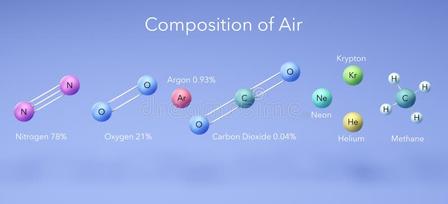
Normal air consists of roughly 21% O₂, 0.04% CO₂ and 78% nitrogen. MAP replaces this natural air with a custom food-grade gas blend tailored to each crop’s respiration rate.
Its three core working principles:
1. Reduce oxygen levels to slow respiration, water loss and nutrient consumption of harvested produce
2. Raise carbon dioxide concentration to inhibit grey mold, yeast and spoilage bacteria
3. Use inert nitrogen to stabilise gas balance and prevent packaging collapse or excess condensation
MAP is a physical preservation method without chemical preservatives.
This is critical for EU import requirements, as no synthetic fungicides are added inside the package.Verified Real-World Data on MAP Preservation Performance
Field and lab studies from horticulture and packaging research show measurable benefits for sea-freighted fresh produce:
Weight loss control: At 5°C cold storage, MAP packaging limits water loss to only 0.9–1.5% over 60 days, while standard perforated PE packaging leads to 8.9% weight loss in the same period.
Shelf-life extension: For many fruits and vegetables, MAP plus refrigeration can double the usable shelf life compared to simple cold storage. For example, lychee stored at 2°C reaches 75 days of shelf life with MAP, versus only 20 days with refrigeration alone.
Spoilage reduction: In blueberry sea freight trials, MAP-lined packaging maintained zero mold after 40 days of ocean transport at 0°C, while conventional packaging developed visible mold within the same time frame.
Important note: The effect depends heavily on pre-cooling, sealing quality and matching gas formula to the crop. Poorly executed MAP delivers no preservation benefit.
EU Compliance Standards for MAP Packaging
MAP materials and processes for produce imported into the EU must comply with two core regulatory frameworks:
1. Regulation (EU) 2017/625 (Official Controls Regulation): Governs border official checks at BCPs. Inspectors verify packaging integrity, hygiene and food-contact safety for all fresh plant imports.
2. Regulation (EU) No 10/2011: Plastic packaging films used in MAP must meet EU food contact material standards to prevent chemical migration into fruits or vegetables.
Border inspectors will randomly audit sealed MAP packs. Leaking packaging or non-compliant film materials can trigger cargo detention or rejection. MAP itself is not a prohibited treatment for fresh produce entering the EU, as it uses only physical gas adjustment rather than chemical preservatives.
Industry-Standard MAP Gas Ratios for Common Export Crops
These ratios are compiled from peer-reviewed post-harvest literature and commercial export practice for China-EU sea freight shipments:
Grapes: O₂ 12–16%, CO₂ 4–6% — suppress berry shedding and grey mold
Onions: O₂ 2–5%, CO₂ 2–10% — inhibit sprouting and rot
Strawberries / soft berries: O₂ 5–10%, CO₂ 5–15% — control fungal growth
Lychee: Low oxygen + medium CO₂ blend — reduce skin browning and moisture loss
Root vegetables (carrot): O₂ 2–5%, CO₂ 2–5% — slow tissue degradation
A universal one-size-fits-all gas mix does not work. High respiration crops such as berries require higher CO₂ tolerance, while root vegetables like onions demand lower humidity and milder carbon dioxide levels.
Why MAP Is Essential for China-EU Long-Sea Shipping
Even with stable 0–4°C reefer container temperature, three risks persist during the month-long voyage:
1. Fruits maintain low-level respiration, leading to sugar loss and flavour degradation
2. Psychrotrophic microbes slowly multiply under refrigeration, causing late-onset mold after arrival at European ports
3. Container temperature fluctuations and condensation create local high-humidity pockets that accelerate rot
When properly implemented, MAP addresses these risks:
1. Extends usable shelf life by 15–25 days for most export fruits
2. Cuts arrival spoilage rate significantly compared to standard carton packaging
3. Preserves firmness, sugar content and visual quality for European wholesale buyers
4. Reduces cross-contamination risk during pallet stacking and container handling
How EU Buyers Verify Suppliers’ MAP Capability
You do not need to master gas formulas, but you can audit 4 practical, verifiable points when evaluating Chinese suppliers:
1. Dedicated MAP workshop: Dust-controlled, constant-temperature processing area, without mixing different produce types on the same packaging line.
2. Custom gas formulation: The supplier should adjust gas ratios according to crop type, harvest season and estimated shipping duration, instead of using one fixed gas blend for all products.
3. Batch sealing integrity test: Every production batch must carry out leak testing to avoid gas escape, which renders MAP useless.
4. Complete pre-harvest & post-harvest workflow: Pre-cooling → sorting & grading → sanitisation → MAP sealing → carton packing. Skipping pre-cooling is a major red flag for low-quality suppliers.
Common MAP Mistakes That Cause EU Import Losses
1. Mismatched gas ratio: Excess CO₂ causes internal tissue damage and off-flavours inside fruit flesh.
2. Poor sealing quality: Micro-leaks break the modified atmosphere; the package reverts to normal air.
3. Ignoring seasonal adjustment: Summer-harvested fruit has higher respiration rates and requires stricter low-oxygen formulas.
4. Mixing multiple produce types in one container: Different respiration rates interfere with MAP preservation outcomes.
These errors are the leading causes of large-scale spoilage and quality claims after arrival at EU ports.
For EU importers purchasing Chinese fresh fruits and vegetables, MAP modified atmosphere packaging is no longer an optional upgrade. It is a proven, data-backed post-harvest technology built for long ocean transit from China to Europe.
When implemented correctly, MAP reduces spoilage losses, stabilises arrival quality, and lowers risks of EU border inspection issues and RASFF alerts. When selecting Chinese agricultural suppliers, prioritising vendors with validated, batch-tested MAP processing systems is one of the most cost-effective ways to stabilise your cross-border procurement supply chain.