can preservation techniques reduce losses shipping chinese produce to europe
For EU fresh produce importers, the biggest hidden cost of sea freight is not carriage fees, but cargo deterioration after arrival. Voyages from China to Europe normally exceed 50 days, and in some cases may stretch to over 70 days. The cold-chain loss rate for fruits and vegetables in China reaches 20%–30%, while developed nations in Europe and America can keep it below 5%. This lost profit hinges on whether your supplier implements proper preservation technology. We focus on delivering custom preservation solutions to minimize your losses starting at the source.
Why You Should Include Preservation Technology in Your Procurement Standards
China’s cold-chain circulation rate for fruits and vegetables stands at roughly 35%, far below the 90%+ benchmark in developed economies. Air freight can cut losses to under 3%, yet it comes with steep costs. For EU buyers importing dozens of containers annually, every one-percentage-point reduction in spoilage translates to tens of thousands of Euros in profit difference. The longer the vessel transit time, the greater the value of preservation technology. Goods shipped without preservation solutions degrade substantially after an extra two weeks at sea. In contrast, our controlled atmosphere or ethylene inhibition solutions add an extra buffer for your cargo.
Active Controlled Atmosphere: Put Your High-Value Fruits into "Dormancy" at Sea
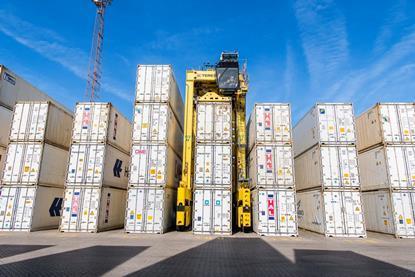
Active Controlled Atmosphere (Active CA) is currently the most mature preservation solution for ocean shipment. It slows fruit and vegetable respiration by adjusting oxygen and carbon dioxide concentrations inside the container. Daikin’s Active CA technology uses zeolite adsorption to bring fresh produce into dormancy within one day, taking less than half the time required by passive systems. AVANZA completed a trial shipment of 6,500 kg avocados from New Zealand to Busan Port using this system, reporting “very satisfactory” results.
Trials by the Rural Development Administration of Korea demonstrated that melons transported in CA containers showed markedly slower flesh softening and lower ethylene production after two weeks of transit compared with standard refrigerated shipments. A separate bell pepper test showed the CA group achieved a 97% intact fruit rate after shipment, retaining 90% integrity after 7 days of retail storage.
Direct benefits for you: High-value fruits that previously required air freight can now safely switch to sea transport. Logistics costs drop from $3–4 per kg to approximately $0.5 per kg, and the freight savings from a single container are enough to cover the CA system expense.
1-MCP Ethylene Inhibitor: "Profit Insurance" Against Vessel Schedule Delays
1-MCP blocks crops’ response to ethylene, delaying softening and senescence. Trials by Argentina’s IDC Patagonia showed that Williams pears packed with MCPBags reduced ethylene production from 218 units to 80 units, extending shelf life by 4–8 days. Industry data shows 1-MCP treatment can extend produce shelf life by 50% to 200%.
For EU buyers, this technology carries extremely low operational costs. Our solution comes as slow-release cards or labels placed inside cartons, requiring no extra equipment. During procurement negotiations, you can directly require Chinese suppliers to adopt our solution to hedge against vessel schedule uncertainty.
Edible Coatings & Modified Atmosphere Packaging: Balancing Plastic Reduction Compliance and Shelf-Life Extension
European retailers are enforcing stricter plastic reduction and ESG requirements, and our packaging preservation solutions align perfectly with this trend.
Swiss AgroSustain’s Afondo plant-based coating forms an odorless protective film on fruit surfaces, extending cold storage shelf life by up to three weeks. A review covering over 40 studies found edible coatings can extend shelf life by 75%–200% and cut weight loss by 25%–60%. Modified atmosphere packaging also performs well for cherry sea freight: it keeps weight loss below 1%, and significantly reduces softening after 6 weeks of simulated ocean transit. Adopting our integrated solution not only prolongs end-market shelf life but also earns eco-friendly credentials for your brand.
Buyer Practical Guide: How to Embed These Technologies into Contracts and Acceptance Checks
Suppliers should not unilaterally decide which preservation technology to use. You need to proactively participate in procurement to safeguard your profit.
Pre-shipment: Require suppliers to clearly state the preservation plan — standard reefer container or our active CA system? Is 1-MCP treatment included? Does packaging use modified atmosphere or edible coating?
Within the contract: Lock in gas parameters and requirements for treatment records. If CA conditions fluctuate abnormally during transit, you reserve the right to claim discounts or reject goods during acceptance.
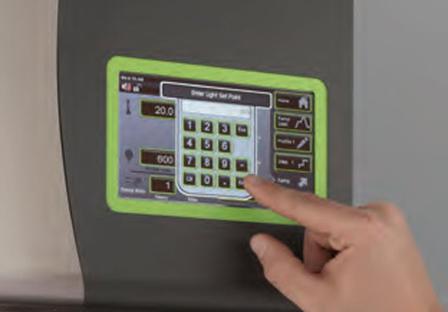
Arrival inspection: Check data before visual assessment. Active CA containers generate complete data logs. Stable return air and CA parameters are more reliable indicators of true quality than glossy peel appearance. Our technical reports serve as objective evidence to divide liability between you and suppliers.
From Passively Absorbing Losses to Actively Managing Profit
Preservation technology is not a cure-all, yet it reshapes the profit-and-loss structure of fresh produce sea freight. From active CA and 1-MCP to edible coatings, every technology solves one core problem: ensuring the cargo you paid in full for retains its expected selling price upon arrival.
Vessel schedule volatility will not disappear anytime soon, and adoption of active CA systems keeps rising. For EU importers purchasing multiple containers from China each year, integrating preservation technology into supplier screening criteria and deploying our customised solutions is far more effective than chasing compensation after cargo arrives.
If you are vetting new Chinese suppliers and unsure about the reliability of their preservation plans, or need to calculate cost-benefit for different preservation options, please contact us. We offer one-stop solutions ranging from on-site technical guidance at origin to full ocean transit data monitoring, helping you quantify and control spoilage risks before shipment.