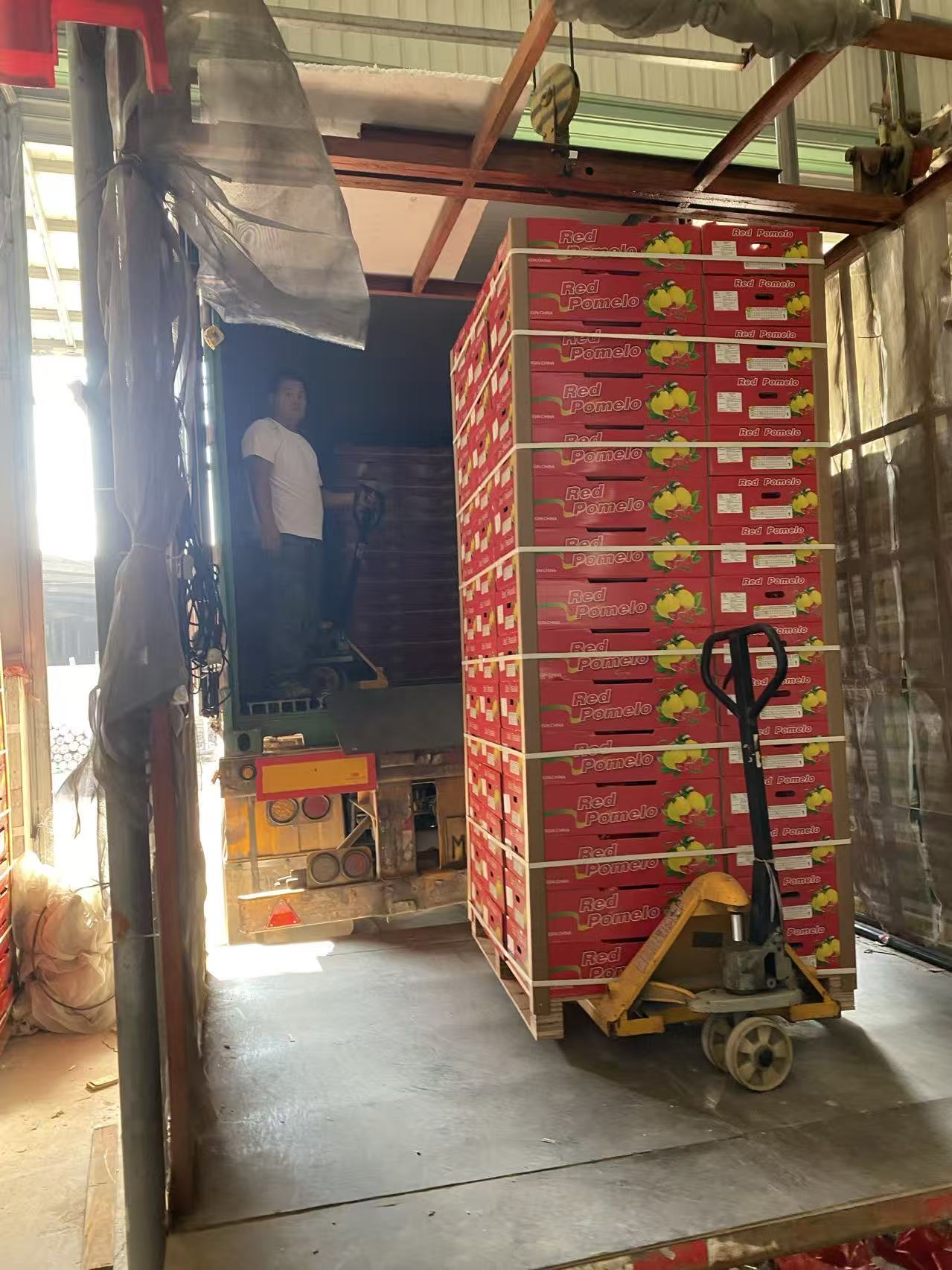
EU Importers' Guide to Avoiding Pitfalls: How to Screen Truly High-Quality Chinese Fruit Suppliers
In the fresh fruit trade, an extremely low price quote means nothing if it is accompanied by massive spoilage upon arrival—your final profit will simply be negative. Therefore, evaluating a supplier should never be based solely on this week's quotation sheet. Importers must conduct an in-depth assessment of the supplier's comprehensive execution capabilities and risk-mitigation strategies:
1. The Core Advantage: Preservation Technology & Packaging Design
The shelf life of your fruit directly determines your sales window. Outstanding suppliers must possess proprietary "orchard-to-shelf" packaging and preservation R&D capabilities:
Customized Preservation Technology: Top-tier suppliers typically operate internal R&D labs to provide patented preservation methods tailored to different fruit varieties.
Modified Atmosphere Packaging (MAP): Suppliers should be highly proficient in utilizing MAP technology to precisely control gas exchange, preventing oxidation and bacterial outbreaks.
Extreme Preservation Metrics: Take highly delicate lychees as an example. Suppliers with exceptional packaging and preservation technology can utilize MAP bags to extend the shelf life up to 20 days. The massive reduction in spoilage directly translates into profit for the importer.
Weight & Freight Cost Optimization: For highly perishable tropical fruits (like lychees) that require expensive air transit, ordinary suppliers rely on ice packs for preservation. This drastically increases the overall gross weight and inflates air freight costs. Advanced suppliers utilize superior preservation tech—like MAP—eliminating the need for ice packs and resulting in a massive cost advantage.
Temperature Control & Pre-cooling: While most suppliers know the basic storage temperatures for their goods, specific pre-cooling procedures and techniques are easily overlooked. Different packaging types require tailored pre-cooling processes to manage respiration rates, bacterial suppression, anti-oxidation, and humidity. Every minor detail can lead to completely different arrival outcomes.
Packaging Design: This is another critical but often neglected capability. It affects not only how quickly the fruit sells on the supermarket shelf but also preservation and shipping costs. Especially with exorbitant air freight rates, differences in gross weight and volume directly lead to huge cost disparities—often exceeding the value of the fruit itself.
2. The Physical Lifeline: Supply Chain Integration & Execution Speed
The biggest pain points in fresh produce customs clearance are strict quarantine inspections and time delays that cause spoilage.
Flawless Supply Chain Synchronization: Exporting fruits requires the Chinese customs authorities to conduct inspections and issue a Phytosanitary Certificate before goods can smoothly clear European ports. Simultaneously, the supplier must flawlessly coordinate the supply chain and book sea or air freight. All three operations must proceed simultaneously without error; a single misstep can cause export failure and massive losses.
Rapid Clearance & Port Control: You must verify if the supplier aligns with EU-designated Border Control Posts (BCPs) and possesses mature local logistics channels to ensure rapid, obstacle-free clearance upon arrival.
Shipping Schedule Certainty: In a volatile freight market, suppliers must be able to lock in production schedules and guarantee shipping dates to keep European supermarket shelves fully stocked. Air freighting fruits to Europe is an even more challenging, tightly coordinated operation.
Customization & Communication Execution: Does the supplier have the capability and willingness to accommodate the tedious, customized demands of EU buyers? Many suppliers cause supply-demand disconnects due to poor internal management, slow communication, or a reluctance to handle smaller orders, causing immense frustration for European importers.
3. Zero-Risk Customs Clearance: Rigorous Document Handling
Europe has zero tolerance for pesticide residues and biological security risks. A single documentation error can lead to the direct destruction of your cargo.
Dynamic Alignment with EU Standards: Suppliers must be intimately familiar with and strictly adhere to the EU’s extremely demanding Maximum Residue Limits (MRLs) and heavy metal standards.
Comprehensive Compliance Documents: Before shipping, suppliers must be able to seamlessly provide original Phytosanitary Certificates issued by official Chinese authorities, Certificates of Origin (CO), and system certifications like ISO or HACCP.
Meticulous Accuracy: Rigorous document handling is a critical but easily overlooked capability. Information such as product names, quantities, units, currency, amounts, consignee details, addresses, and phone numbers on contracts, packing lists, invoices, and Phytosanitary Certificates must be 100% accurate. Careless numerical errors can delay customs, increase spoilage, or result in complete clearance failure and severe consequences.
4. Commercial Reputation: Stable After-Sales Support & Risk Mitigation
A supplier’s willingness to share risk with you is the ultimate test of their professionalism. For small-to-medium buyers facing disputes over smaller orders, cross-border legal action is rarely feasible—especially in a high-spoilage, unpredictable industry like fresh fruit. More often than not, a supplier's business ethics and moral character are the most crucial guarantees for your transaction and after-sales support.
Advanced Financial Credit Guarantees: For large-volume, full-container trade, check if the supplier is willing to accept 100% irrevocable Letters of Credit at sight (L/C at sight) backed by top-tier international banks, leveraging bank credit as the ultimate safety net.