What EU buyers really need to focus on when importing pears from China
What EU buyers really need to focus on when importing pears from China
Chinese pears have appeared more frequently on the procurement lists of European supermarkets in recent years. The reasons are straightforward. China supplies a wide range of pear varieties, and its harvest seasons complement those of southern‑hemisphere producers. Well‑selected Chinese pears deliver shelf‑life performance comparable to fruit from traditional supplying countries. However, orchard quotations alone cannot build a steady, profitable pear‑sourcing programme. Wrong variety selection, poorly‑controlled harvest timing, shelf‑unfriendly packaging or incomplete documentation may turn a full container‑load into costly trouble.As Chinese exporters who work closely with orchards, packaging factories and shipping lines on a daily basis, we have listed key points for EU buyers to review before placing orders.
Chinese pear varieties are far more diverse than many importers realise
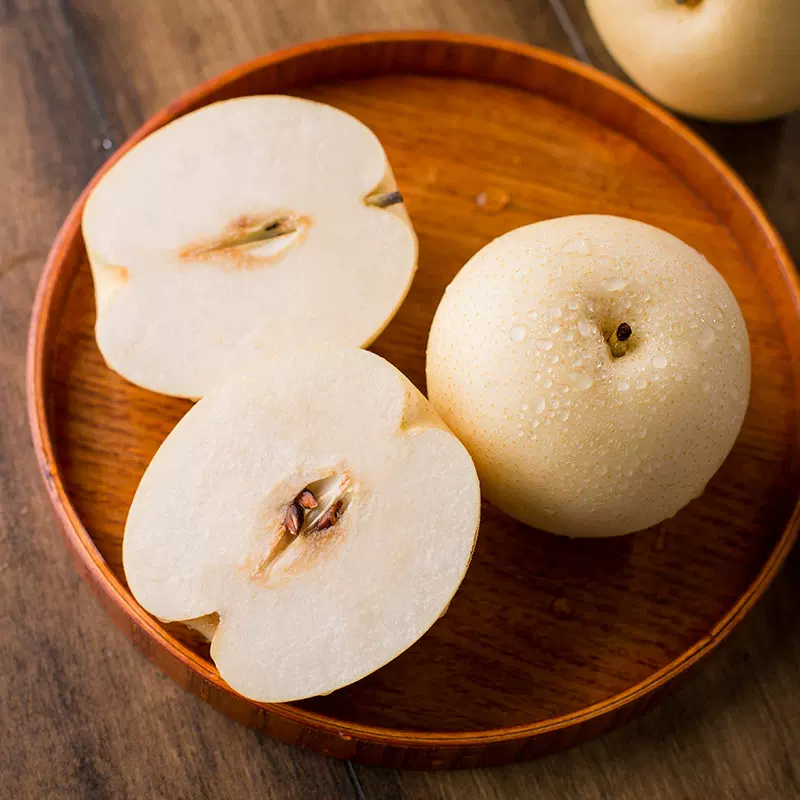
Chinese pears should not be treated as one single product. Huangguan, Hosui, Qiuyue, Yuluxiang, Korla fragrant pear, Ya pear and Snow pear differ greatly in ripening time, brix level, flavour and shelf‑life. Huangguan pears ripen in late July to early August. Crisp with pale‑yellow skin, they suit mass‑market daily retail. Hosui pears are harvested around August, featuring abundant juice and thin peel, yet they demand careful handling. Qiuyue pears come into season from late August to September. These large, brown‑skinned pears with high sugar content are favoured by high‑end supermarkets. Yuluxiang pears, harvested in September, carry rich aroma and sweet flesh, making them ideal for gift‑box lines. Korla fragrant pears are picked between September and October. These small‑sized, aromatic pears are positioned for premium markets. Ya pears and Snow pears, also harvested from September to October, dominate bulk‑market supplies.
Variety selection determines your sales channel. Qiuyue, Yuluxiang and Korla fragrant pears work well for premium ranges, while Huangguan, Ya pear and Snow pear serve volume‑driven retail lines. Mixed orders allow buyers to arrange trial samples and spread costs and operational risks.
Harvest timing and quality control
Chinese pears have a narrow harvest window. Picked too early, the fruit will lack sufficient sugar, taste bland and turn soft during ocean transit. We confirm harvest standards with growing farms ahead of each season, and provide brix and firmness test data before shipment. Standard brix ranges are set at 12‑14° for Qiuyue pears, above 12° for Yuluxiang, 10‑12° for Huangguan and 11‑13° for Hosui. Fruit can taste sweet while its flesh has already turned mealy, which makes firmness equally critical. Test reports are attached to each batch for buyers to decide on shipment release.You may add clear clauses within purchase contracts to set out solutions if delivered fruit fails to meet agreed‑upon brix or firmness standards. Defining quality requirements in advance protects both parties.
Packaging and in‑store shelf performance
European supermarkets lay down clear packaging specifications. Cartons, pallets and slip sheets must comply with EU standards and withstand pre‑cooling, container‑loading and retail‑shelf display. We supply packaging samples before harvest seasons to make sure pears stay stable inside cartons and avoid pressure bruises. Packaging for Qiuyue and Yuluxiang highlights a premium look; Huangguan‑pear packaging emphasises bright fruit colour; Korla fragrant‑pear packages showcase their small size and distinctive fragrance. Properly‑designed packaging improves conversion rates on retail shelves.
Costs: from orchard‑gate price to landed cost
Many new buyers prepare budgets based on orchard‑gate prices, which are merely the starting point. Additional expenses include fruit grading, EU‑compliant packaging, SGS‑conducted MRL residue testing, pre‑cooling, refrigerated ocean freight, insurance, GlobalGAP and BRC certification fees, import tariffs and customs‑clearance charges. These make up the total landed cost at Rotterdam or your chosen port. Qiuyue and Korla fragrant pears carry higher FOB prices, yet stable‑quality fruit can command good retail margins.
We recommend buyers enquire about full landed costs and compare them with pear supplies from South Africa, Argentina and the Netherlands. This method helps you calculate real profit margins.
Documentation and compliance
The EU imposes detailed document requirements for imported pears.
MRL test reports must be conducted specifically for pears, rather than generic‑crop reports. Draft phytosanitary certificates need pre‑verification and must include additional declarations required by the destination country. GlobalGAP certificates should cover relevant growing orchards. If BRC certification is required, confirm that your packaging facility holds valid certificates. Orchard registration, packhouse registration and traceability records must all be prepared before your first shipment. Complete documentation enables smooth customs clearance once containers arrive.
Weather‑related risks and flexible harvest planning
Weather represents the biggest variable during harvest seasons. Spring frost can damage fruit‑setting, and heavy rainfall at harvest time may delay picking and lower brix levels. We monitor weather conditions at partner orchards well before harvest and adjust picking schedules and shipping plans accordingly. When quality risks emerge, we prefer to postpone shipments rather than deliver soft, tasteless pears. European buyers can accept slight delays, but not a full container of low‑quality fruit with poor flavour.