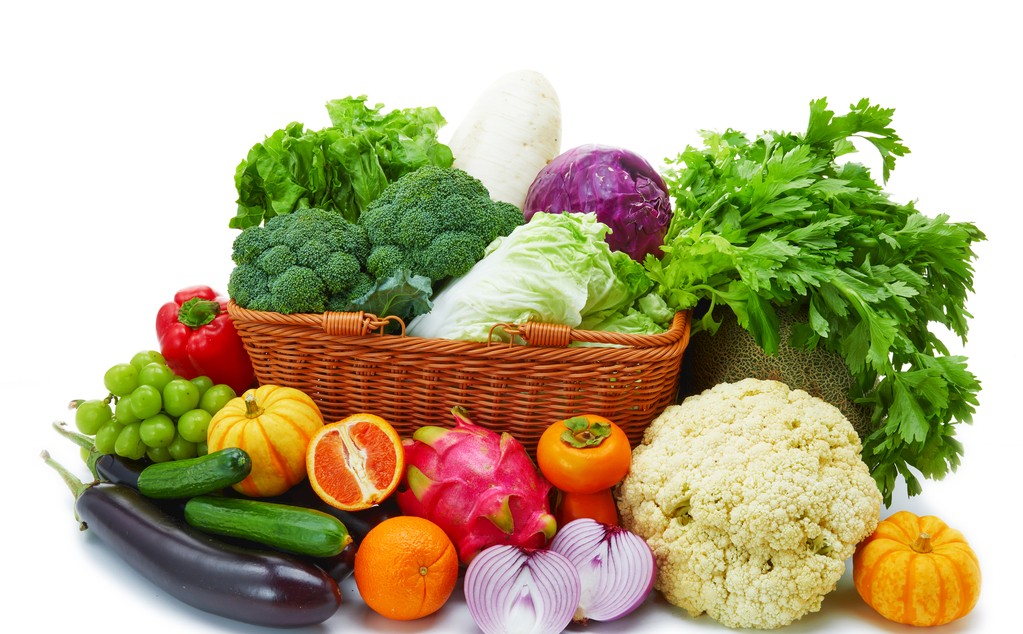
Tariff notes you need for vegetable EU import from China.
For EU fresh produce importers, sourcing fresh vegetables from China typically means reliable supply, a mature supply chain, and competitive quality. However, many small and medium-sized new buyers often calculate only the product cost and ocean freight when budgeting, overlooking the full range of EU customs duties, quotas, and clearance regulations. As a result, unexpected taxes, quota surcharges, and clearance-related fees frequently erode order profitability or even lead to cost overruns.
This guide is written from the perspective of EU importers and focuses on Chinese vegetable imports into the EU—covering EU import tariffs, tax rules, and related regulations. All tariff rates, policies, quotas, and cost examples are based on official EU databases and current legislation, and can be directly used for import budgeting and pre-clearance verification. Actual customs duty rates should always be confirmed through real-time queries in the EU's ISZTAR4 and TARIC databases.
1. Clarify First: Chinese Vegetables Are Subject to Most-Favored-Nation (MFN) Tariffs in the EU
Many European buyers mistakenly believe that vegetables originating from China qualify for preferential or even zero tariffs. This is a common misconception. According to EU GSP regulations, China was removed from the EU’s Generalized System of Preferences (GSP) beneficiary list as of January 1, 2015. This means all fresh vegetables imported from China are subject to standard Most-Favored-Nation (MFN) tariffs, with no GSP exceptions. A regular certificate of origin merely confirms the product’s country of origin and cannot be used to reduce tariffs. If suppliers claim they can secure tariff reductions, such claims are generally unfounded—the additional costs will still fall on the EU importer.
Therefore, when calculating import duties for Chinese vegetables into the EU, use the MFN rate directly and do not assume any GSP benefits.
2. Official EU Tariff Rates for Major Chinese Vegetables in 2026
The following rates apply to fresh vegetables shipped from China to all EU member states. During actual declaration, the complete ten-digit TARIC code must be matched precisely.
The ten-digit TARIC code for bok choy is 0704909020, with an MFN tariff rate of 12%, calculated on the CIF (Cost, Insurance, Freight) value. Fresh garlic has the TARIC code 07032000, governed by EU Regulation (EC) No 341/2007. For garlic, the in-quota tariff is 9.6% ad valorem; the out-of-quota tariff is 9.6% ad valorem plus €1,200 per ton ad valorem. Ginger and other common fresh vegetables generally fall within a tariff range of 10% to 12%, though the exact rate depends on matching the full ten-digit TARIC code.
Many importers roughly estimate tariffs at 10%. In practice, a 2% difference in tariff rates can result in hundreds to thousands of euros in extra costs per container. Requesting the complete ten-digit TARIC code from suppliers before placing orders and verifying the applicable rate via the EU’s ISZTAR4 database can significantly reduce budget discrepancies.
3. Legal Standard for CIF-Based Taxation: Duties Are Not Based on FOB
According to Article 71 of the EU Customs Code, the rules for calculating customs duties on fresh produce remain fixed. The taxable base equals the CIF (Cost, Insurance, Freight) value—i.e., the sum of the goods’ value, shipping costs, and insurance premiums. Trade terms do not alter this calculation method. Even if the transaction is conducted under FOB terms, where the buyer arranges shipping and insurance independently, customs will still include these costs in the taxable base.
For example, consider a 20-foot refrigerated container. If the FOB value is €22,000, the China-Europe shipping cost is €1,950, and insurance is €130, the total CIF value for customs purposes would be €24,080. The customs duty payable, calculated at a 12% tariff rate for Chinese cabbage, amounts to 2,889.6 euros. Novice buyers often calculate duties based solely on FOB value, which leads to having to pay the difference upon arrival of goods at port, and in severe cases, incurs customs late payment penalties. Therefore, it is essential to calculate costs using CIF terms during the budgeting phase.
4. Annual Import Quota System for Fresh Garlic
Among various vegetables, garlic is most prone to sudden cost spikes due to quota changes. According to EU Regulation (EC) No 341/2007, the garlic quota cycle runs from June 1st to May 31st of the following year. China is allocated an annual import quota of approximately 13,200 tons. The tariff within the quota is 9.6% ad valorem, while outside the quota, it consists of 9.6% ad valorem plus a specific duty of 1,200 euros per ton.
Once the annual quota is exhausted early, subsequent arrivals of garlic will be subject to the full compound tariff. With an additional 1,200 euros per ton in specific duty, overall procurement costs increase significantly. Experienced importers typically schedule large garlic orders between June and September—when quota availability is relatively high—to avoid these extra charges.
5. Hidden Port Costs Arising from Customs Declaration Errors
While incorrect declarations do not change the base tariff, they can lead to additional expenses such as demurrage fees and storage costs, thereby extending the overall clearance time.
If the declaration lists only "fresh vegetables" without specifying the exact variety, customs may return the documents for correction. Referring to Rotterdam's ECT terminal 2026 fee schedule, free storage for refrigerated containers lasts three days; beyond that, daily storage fees range from 11 to 20 euros. Document corrections usually take 2 to 4 days, resulting in both port-related costs and delays in delivering goods to supermarkets.
If the declaration indicates only "China" without specifying the producing province, certain EU member states may suspend tax calculations. Clearance times could extend by 3 to 7 days, leading to additional trailer detention fees and short-term storage expenses. Moreover, if product names, HS codes, or origin information on invoices, packing lists, and customs declarations are inconsistent, the likelihood of customs review increases. Customs brokers often require extra time to explain discrepancies, exposing perishable goods to greater risks of storage and spoilage.
6. Practical Cost Control Recommendations for EU Importers
First, confirm the complete ten-digit TARIC code before placing orders. Request the specific ten-digit code corresponding to the product variety from suppliers and verify the applicable tariff rate via the EU ISZTAR4 database.
Second, align garlic orders with the EU’s annual quota cycle. Avoid periods after quota exhaustion when tariffs rise sharply, and prioritize bulk shipments between June and September when quota availability is higher.
Third, allocate 12% to 13% of the cargo value as a tariff buffer in your budget. This range better reflects actual tariff levels applied to Chinese vegetables and avoids underestimating costs with a rough 10% calculation.
Fourth, ensure consistency across invoices, packing lists, and customs declarations regarding product descriptions, HS codes, and country of origin. Specify exact varieties and provinces of origin to reduce the risk of customs scrutiny and document rejections.
Fifth, include CIF costs in procurement price comparisons. Do not compare only FOB values—factor in shipping, insurance, customs duties, and port fees.
7. Frequently Asked Questions (FAQ)
Can Chinese vegetables enjoy zero tariffs when imported into the EU?
No. Since January 1, 2015, China has been removed from the EU’s GSP beneficiary list, meaning fresh Chinese vegetables are uniformly subject to Most-Favored-Nation (MFN) tariffs.
Are EU import tariffs calculated based on FOB or CIF?
They are calculated based on CIF. The customs value includes the sum of the goods' value, freight, and insurance. Even if transactions are made on FOB terms, customs still includes freight and insurance in the taxable base.
What is the EU import quota for fresh garlic from China?
Under Regulation (EC) No 341/2007, China's annual garlic import quota is approximately 13,200 tons, with the quota period running from June 1 to May 31 of the following year.
What is the tariff rate for garlic beyond the quota?
The out-of-quota tariff consists of a 9.6% ad valorem duty plus a specific duty of €1,200 per ton.
What is the EU import tariff for Chinese cabbage?
The ten-digit HS code for Chinese cabbage is 0704909020, with a Most-Favored-Nation (MFN) tariff rate of 12%, applied to the CIF value.
How can one obtain the most accurate EU vegetable import tariff rates?
Use the EU ISZTAR4 or TARIC database and enter the complete ten-digit HS code for lookup. It is recommended to have a customs broker in the EU verify the information prior to actual declaration.
Conclusion
Chinese fresh vegetables, with their consistent quality and mature supply chain, serve as a vital source for the European market. Tariff policies, quota changes, and customs compliance risks ultimately fall on European importers. By understanding official tariff rates, CIF statutory valuation rules, and garlic quota arrangements, and moving away from rough estimations, importers can minimize unexpected additional costs and establish a long-term, stable, and profit-controllable procurement strategy for Chinese vegetables.