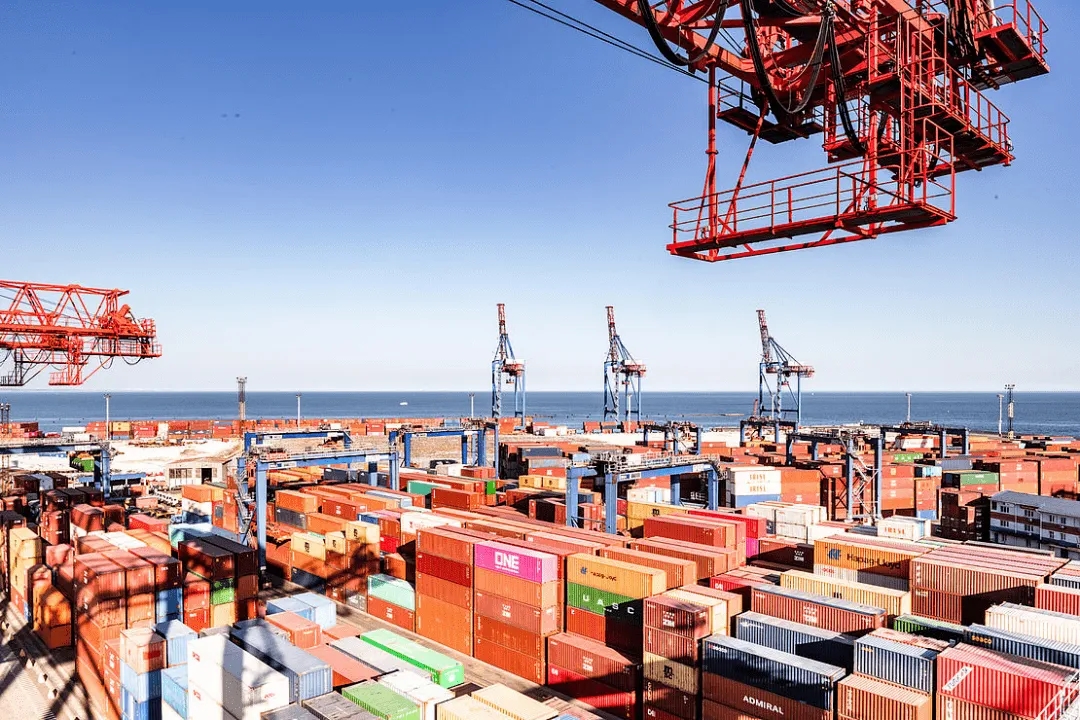
Mandatory Documents for Lychee consignments to Europe
If you're a fruit importer in the European Union considering adding Chinese lychees to your shelves, there's one thing you must clarify upfront: the key to profitability in this business isn't finding cheap supplies—it's ensuring every shipment passes smoothly through border control stations. Lychees have a very short shelf life of typically just 48 hours; if containers are delayed at the border by even one day, losses increase by 10%, and customer complaints multiply.
On May 4, 2026, Italy issued an RASFF alert regarding a batch of fresh lychees exported from China. Alert number 2026.3912 reported excessive pesticide residues—including lufenuron, lambda-cyhalothrin, chlorantraniliprole, methoxyfenozide, zoxamide, fosetyl-aluminum, and iprodione—nearly ten different pesticides, several of which have EU maximum residue limits as low as 0.01 mg/kg. The product was required to be withdrawn from the market and reported to the competent authorities, classified as a "Notice" type alert. For importers, this means lost goods, financial loss, and the RASFF notification will remain linked to your company name. The next time you import similar products, your chances of being selected for inspection will only increase.
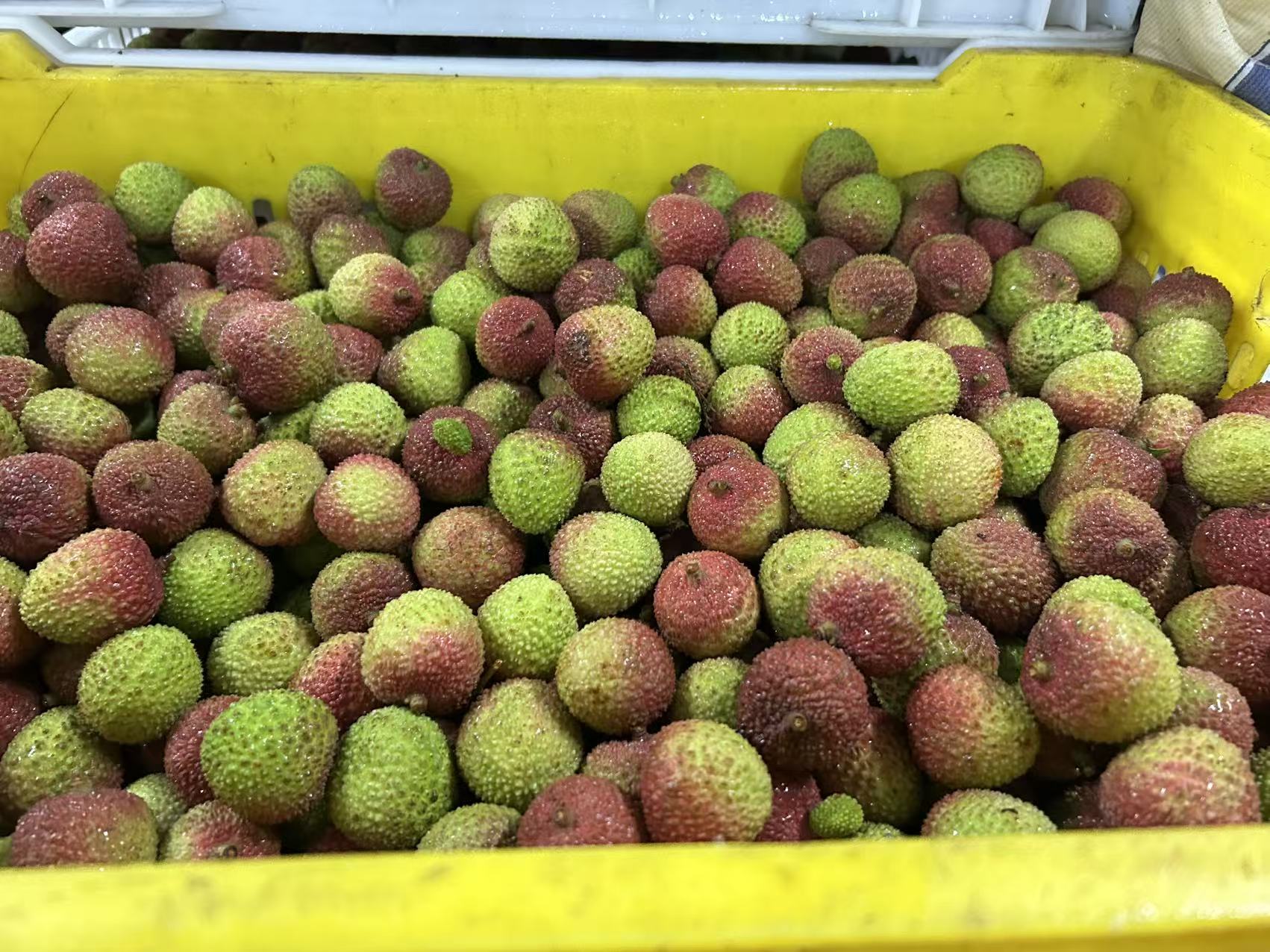
CHED-PP: Mandatory electronic declaration before cargo arrival
Lychees are plant products, and entry into the EU requires submission of CHED-PP—the Common Entry Document for Plants and Plant Products. This document is submitted via the TRACES NT system and serves as a mandatory electronic pre-notification prior to the arrival of goods at border control posts (BCPs). TRACES NT is the European Commission’s official online platform for managing health and phytosanitary import certifications and documentation. It centralizes, digitizes, and tracks official certificates for all goods entering the EU that are subject to mandatory controls. Importers, customs agents, and EU competent authorities use this platform to conduct advance declarations, processing, and verification of incoming shipments at border checkpoints.
The responsibility for submission lies with the operator in the EU. In practice, this is usually handled by the importer or their appointed customs agent. Submission deadlines are strictly defined. The importer or their customs representative must submit the CHED-PP at least 24 hours before the goods arrive. For air freight, submission should not be later than four hours before landing; for express deliveries, it must be completed at least one hour before arrival. Some BCPs may require earlier submissions during weekends or peak congestion periods, so it's essential to build in buffer time rather than relying on the minimum deadline.
The CHED-PP consists of two parts. The first part is filled out by the importer and includes details such as the commodity name, CN code, quantity, packaging type, country of origin, phytosanitary certificate number, production facility approval number, container number, and seal number. The second part is completed by the BCP authority and records results of document checks, identity verification, physical inspections, and the final decision to release or detain the goods. If the first section is incomplete or does not match information on the phytosanitary certificate, the system automatically flags the shipment for further inspection.
Account registration on TRACES NT must be completed in advance. Importers need to register as professional operators within the EU on TRACES NT, create an account via EU-Login, and designate themselves as “operator” roles. Registration and verification take time, so it is recommended to complete setup at least two weeks before shipping the first consignment. If the importer has never used this system before, they cannot wait until the goods are about to arrive to begin registration.
Phytosanitary Certificate: Issued by the exporting country, but verification responsibility lies with the importer
The phytosanitary certificate is issued by the plant protection authority of the exporting country. For Chinese lychee exports, customs issues the phytosanitary certificate after inspection and quarantine clearance. Exporters submit their declaration via China’s Single Window for International Trade website. Customs conducts on-site inspection and laboratory testing, verifying consistency between documents and goods, and checking whether the phytosanitary certificate and packaging information meet importing country requirements. After successful inspection and quarantine, the certificate is issued.
Importers are not merely responsible for receiving certificates; they must obtain scanned copies of the certificates before submitting CHED-PP and carefully verify each item, including certificate number, date of issue, product name, quantity, country of origin, and production facility registration number.
Starting July 6, 2026, the European Union will further tighten its requirements for phytosanitary certificates. According to Commission Implementing Regulation (EU) 2025/2249—published on November 10, 2025, and effective from July 6, 2026—the regulation amends the wording regarding regulated non-quarantine pests in Commission Implementing Regulation (EU) 2019/2072. Non-EU trading partners must now include detailed information in the additional declaration section of their phytosanitary certificates, specifying which specific requirements for regulated non-quarantine pests have been met, along with the full text of those requirements and the category of plant material involved.
Certificates cannot contain only a general compliance statement. The exact wording for the additional declarations is listed in Annexes of EU Regulation 2025/2249, and certain products may require multiple such declarations. If exporters' certificates lack this information or if the additional declarations are incorrect or incomplete, goods will be detained by authorities upon arrival at BCP. Release is possible only after submission of a corrected phytosanitary certificate, provided no regulated pests are detected during inspection.
Commercial Invoice and Packing List
These two documents are central to customs valuation and clearance verification in the destination country. The commercial invoice must clearly indicate the HS code of the product, state "China" in the country of origin field, and it is recommended to price in euros. The packing list should detail the product name, specifications, quantity, gross weight, and net weight for each carton.
French customs impose strict requirements for consistency between the packing list and invoice descriptions, allowing no more than a 1% discrepancy. Italy requires that the bill of lading display the certificate of origin number. Countries like the Netherlands and Belgium accept electronic certificates of origin, eliminating the need for paper versions. These details may seem minor, but issues upon arrival can lead to significant complications.
A common practical problem is inconsistent product naming. For example, "Fresh Lychee" on the invoice versus "Litchi" on the phytosanitary certificate—though referring to the same fruit—may be considered inconsistent by strict customs officials. Importers are advised to establish a document checklist prior to declaration, assigning dedicated personnel or engaging customs brokers to cross-check all documents thoroughly, ensuring complete consistency across all paperwork.
Certificate of Origin
The Certificate of Origin is issued by the customs authority or trade promotion council of the exporting country. Importers must confirm that the format of the certificate provided by the exporter matches the applicable trade agreement. This certificate serves not only as the basis for tariff preferences but also as a key document for EU customs to verify the product’s origin eligibility. If a valid trade agreement exists between China and the EU, importers should fully utilize the Certificate of Origin to claim tariff reductions.
Pesticide Residues: A Risk That Importers Must Proactively Manag
Lychees are plant products, and entry into the EU requires submission of CHED-PP—the Common Entry Document for Plants and Plant Products. This document is submitted via the TRACES NT system and serves as a mandatory electronic pre-notification prior to the arrival of goods at border control posts (BCPs). TRACES NT is the European Commission’s official online platform for managing health and phytosanitary import certifications and documentation. It centralizes, digitizes, and tracks official certificates for all goods entering the EU that are subject to mandatory controls. Importers, customs agents, and EU competent authorities use this platform to conduct advance declarations, processing, and verification of incoming shipments at border checkpoints.
The responsibility for submission lies with the operator in the EU. In practice, this is usually handled by the importer or their appointed customs agent. Submission deadlines are strictly defined. The importer or their customs representative must submit the CHED-PP at least 24 hours before the goods arrive. For air freight, submission should not be later than four hours before landing; for express deliveries, it must be completed at least one hour before arrival. Some BCPs may require earlier submissions during weekends or peak congestion periods, so it's essential to build in buffer time rather than relying on the minimum deadline.
The CHED-PP consists of two parts. The first part is filled out by the importer and includes details such as the commodity name, CN code, quantity, packaging type, country of origin, phytosanitary certificate number, production facility approval number, container number, and seal number. The second part is completed by the BCP authority and records results of document checks, identity verification, physical inspections, and the final decision to release or detain the goods. If the first section is incomplete or does not match information on the phytosanitary certificate, the system automatically flags the shipment for further inspection.
Account registration on TRACES NT must be completed in advance. Importers need to register as professional operators within the EU on TRACES NT, create an account via EU-Login, and designate themselves as “operator” roles. Registration and verification take time, so it is recommended to complete setup at least two weeks before shipping the first consignment. If the importer has never used this system before, they cannot wait until the goods are about to arrive to begin registration.
Phytosanitary Certificate: Issued by the exporting country, but verification responsibility lies with the importer
The phytosanitary certificate is issued by the plant protection authority of the exporting country. For Chinese lychee exports, customs issues the phytosanitary certificate after inspection and quarantine clearance. Exporters submit their declaration via China’s Single Window for International Trade website. Customs conducts on-site inspection and laboratory testing, verifying consistency between documents and goods, and checking whether the phytosanitary certificate and packaging information meet importing country requirements. After successful inspection and quarantine, the certificate is issued.
Importers are not merely responsible for receiving certificates; they must obtain scanned copies of the certificates before submitting CHED-PP and carefully verify each item, including certificate number, date of issue, product name, quantity, country of origin, and production facility registration number.
Starting July 6, 2026, the European Union will further tighten its requirements for phytosanitary certificates. According to Commission Implementing Regulation (EU) 2025/2249—published on November 10, 2025, and effective from July 6, 2026—the regulation amends the wording regarding regulated non-quarantine pests in Commission Implementing Regulation (EU) 2019/2072. Non-EU trading partners must now include detailed information in the additional declaration section of their phytosanitary certificates, specifying which specific requirements for regulated non-quarantine pests have been met, along with the full text of those requirements and the category of plant material involved.
Certificates cannot contain only a general compliance statement. The exact wording for the additional declarations is listed in Annexes of EU Regulation 2025/2249, and certain products may require multiple such declarations. If exporters' certificates lack this information or if the additional declarations are incorrect or incomplete, goods will be detained by authorities upon arrival at BCP. Release is possible only after submission of a corrected phytosanitary certificate, provided no regulated pests are detected during inspection.
Commercial Invoice and Packing List
These two documents are central to customs valuation and clearance verification in the destination country. The commercial invoice must clearly indicate the HS code of the product, state "China" in the country of origin field, and it is recommended to price in euros. The packing list should detail the product name, specifications, quantity, gross weight, and net weight for each carton.
French customs impose strict requirements for consistency between the packing list and invoice descriptions, allowing no more than a 1% discrepancy. Italy requires that the bill of lading display the certificate of origin number. Countries like the Netherlands and Belgium accept electronic certificates of origin, eliminating the need for paper versions. These details may seem minor, but issues upon arrival can lead to significant complications.
A common practical problem is inconsistent product naming. For example, "Fresh Lychee" on the invoice versus "Litchi" on the phytosanitary certificate—though referring to the same fruit—may be considered inconsistent by strict customs officials. Importers are advised to establish a document checklist prior to declaration, assigning dedicated personnel or engaging customs brokers to cross-check all documents thoroughly, ensuring complete consistency across all paperwork.
Certificate of Origin
The Certificate of Origin is issued by the customs authority or trade promotion council of the exporting country. Importers must confirm that the format of the certificate provided by the exporter matches the applicable trade agreement. This certificate serves not only as the basis for tariff preferences but also as a key document for EU customs to verify the product’s origin eligibility. If a valid trade agreement exists between China and the EU, importers should fully utilize the Certificate of Origin to claim tariff reductions.
e
RASFF notifications repeatedly highlight one critical point: when pesticide residues exceed limits, the notification is recorded under the importer's name. On July 16, 2024, the Netherlands notified an excess level of ethyl parathion residue in fresh lychee imported from China, with a measured value of 0.034 mg/kg exceeding the maximum residue limit of 0.01 mg/kg (Notification No. 2024.5414). The goods had already been distributed to other Member States, and the notification type was a traceability alert. On July 6, 2026, the Netherlands issued another notification concerning Chinese-exported lychee, reporting excessive levels of acetamiprid, azoxystrobin, chlorantraniliprole, chlorpyrifos, thiamethoxam, zoxamide, lufenuron, fluopyram, pyraclostrobin, and mefenoxam (Notification No. 2026.5933). However, the affected products were not distributed within the notifying country.
Importers must clearly specify in the procurement contract that exporters conduct testing according to EU MRL standards and provide test reports issued by accredited third-party laboratories. Testing should cover all commonly used pesticides on lychees, not just one or two. The EU pesticide residue limit database can be accessed via the European Commission's official website, allowing importers to verify the maximum residue limits (MRLs) for target pesticides in advance. Upon receiving the report, the importer or their compliance advisor must verify that each data point is below the corresponding MRL.
BCP Inspection: Procedures After Arrival
After submitting CHED-PP, BCP authorities view the pre-notification in TRACES NT and determine the inspection level. For plant products such as lychees, BCP typically conducts at least document and identity checks, and in some cases physical inspections—including sampling and laboratory testing for pesticide residues.
Importers must schedule an inspection time with the selected BCP prior to cargo arrival, providing the CHED-PP number and desired inspection date. If CHED-PP submission is delayed, the appointment will also be postponed, causing the goods to wait at port. Submitting CHED-PP earlier enables phytosanitary officers to inspect incoming shipments sooner, resulting in smoother clearance processes.
Once inspection is passed, BCP records its decision in Part II of the CHED-PP, and the goods are released. Importers must reference the CHED-PP reference number in subsequent customs declarations; this number must match exactly with the information on the customs declaration form. Otherwise, even if the health inspection passes, clearance may still be blocked.
If issues are found during inspection—such as exceeding pesticide residue limits—the BCP may decide to detain, return, or destroy the goods. In 2026, a batch of lychees reported by Italy resulted in the product being withdrawn from the market, and items already distributed were required to be recalled. For importers, this means not only losing the purchase cost of the shipment but also potentially bearing additional expenses related to recalls and disposal.
New Changes in 2026
The RNQP supplementary statement requirement for phytosanitary certificates became effective on July 6, 2026. Importers must communicate early with suppliers to ensure they understand this new requirement. The wording of the supplementary statement can refer to the minimum wording guidelines published by the EU.TRACES NT has undergone continuous updates between 2025 and 2026, including more detailed reporting requirements, updated chemical residue limits, and strengthened training and certification obligations for importers of high-risk products. Importers need to stay informed about these system-level changes to ensure their declaration processes remain compliant with the latest requirements.
Case Study
On July 8, 2025, a shipment of Maoming lychees arrived at Frankfurt Airport in Germany. The refrigerated container carrying the lychees completed the entire process—including declaration, quarantine, customs clearance, and release—in just three hours. The key reason for this efficiency was that the exporting company had prepared all necessary documentation before shipping, while the importer had completed TRACES NT account registration and pre-filled the CHED-PP in advance. Lychees were harvested before 6 a.m., cooled using forced-air chilling technology to reduce core fruit temperature from 28°C to 5°C within eight hours. Packaging employed a three-layer protection system: vacuum sealing, EPE cushioning foam, and insulated cold chain containers, with built-in temperature and humidity loggers enabling full traceability. During domestic transport, refrigerated trucks transported the goods directly from the Conghua base to Guangzhou International Freight Station, maintaining strict temperature control and limiting transit time to under two hours. At the customs stage, commercial invoices, certificates of origin, and health certificates were reviewed in advance to ensure consistency among documents and goods, enabling clearance within one hour. Ultimately, the shipment achieved a loss rate below 3% and a shelf freshness rate of 95%.
This case demonstrates that the European market is fully accessible as long as documents are properly prepared, information is aligned, and all parties work in close coordination. Conversely, if pesticide residue levels fail to meet standards or documentation is inconsistent, goods arriving in Europe may be notified, rejected, or even destroyed—resulting in losses far beyond the value of a single shipment, including damage to customer trust and market share.
Compliance Checklist
Before shipping litchis, verify that the phytosanitary certificate provided by the exporter includes the RNQP additional statement required under the new regulations effective July 2026. Cross-check all fields on the certificate against the commercial invoice and packing list. Confirm that the exporter has provided a pesticide residue test report compliant with EU MRL standards, covering commonly used pesticides on litchis. Complete account registration and verification in TRACES NT prior to shipment. After dispatch, obtain the bill of lading and container seal number, and accurately enter them into Part One of CHED-PP. Submit CHED-PP at least before the deadline set by BCP, allowing sufficient buffer time. Schedule an inspection slot with BCP and confirm contact details. Once the goods arrive at port, monitor the inspection results in Part Two of CHED-PP. Upon receiving the release decision, use the CHED-PP reference number for customs declaration.
For litchi imports into the EU, CHED-PP, phytosanitary certificates, and pesticide compliance form three interlocking components. While exporters are responsible for preparing goods and obtaining certificates, importers must complete declarations in TRACES NT and ensure data accuracy. Notification records are registered under the importer’s name, and any resulting losses fall on the importer. Compliance cannot be outsourced based solely on supplier assurances, nor can it be left to BCP to inspect on your behalf.